We are often asked about the absence of the organic label on our virgin French hazelnut oil. However, this choice is the result of responsible reflection, linked to the agricultural, environmental and economic realities of the hazelnut sector in France.
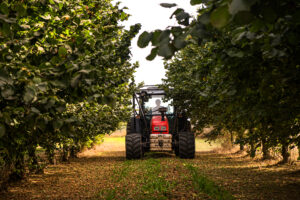
First, climate plays a critical role. In France, moisture promotes the development of fungal diseases and especially the proliferation of pests, such as balanin, a formidable beetle for hazel groves.

To protect crops, French producers sometimes have to use phytosanitary treatments such as Acetamiprid. This treatment, authorized by EFSA until 2033 and used in Turkey as elsewhere in Europe, is however banned in France due to an overtransposition of the European directives.
However, this molecule of the neonicotinoid family is recognized as low-risk by the European Agency. Without this solution, the control of balanin becomes very difficult, making organic farming almost impossible under our climatic conditions.
Moreover, the organic label is not always synonymous with sustainability or proximity. The majority of organic hazelnuts come from drier regions such as Turkey or Georgia, where diseases are less common, which facilitates large-scale organic production. However, these hazelnuts travel thousands of kilometers, with a significant carbon footprint and sometimes questionable social conditions.
Finally, organic production in France faces high costs, both in terms of labor and certification. Many local farmers therefore prefer to maintain reasonable practices, without entering into a difficult-to-sustain organic specification.
That’s why we have chosen to use French hazelnuts, not organic but local. This choice supports a local agriculture, more transparent, respectful of the realities on the ground, and limits the ecological impacts related to the import of distant raw materials.
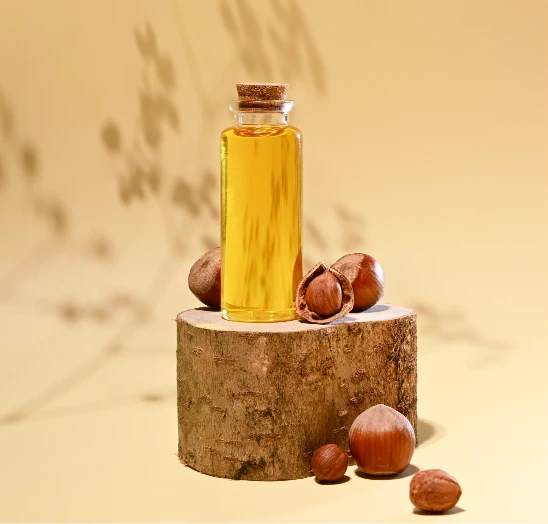
Our Hazelnut Oils (fresh or toasted) are both COSMOS APPROVED certified.